Home Window Tinting in Orange County: What It Does and Whether It's Worth It
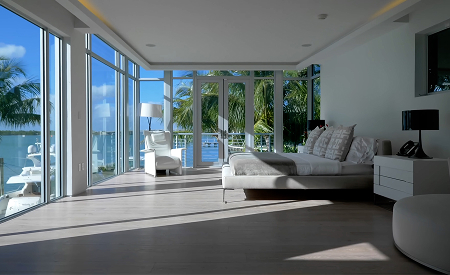
Most people think of window tinting as something you do to a car. But residential window film has been around for decades, and for homes in Southern California where the sun is relentless for most of the year, it can make a significant difference in comfort, energy bills, and how your furniture and flooring hold up over time.
Here's what you should know if you're considering window film for your home.
What Home Window Tinting Actually Does
Reduces heat coming through the glass
This is the primary reason most Orange County homeowners look into it. West and south-facing rooms in particular can get brutally hot in the afternoon. Window film works by rejecting solar energy before it passes through the glass, which keeps the interior temperature more stable and reduces how hard your AC has to work.
Blocks UV rays
Standard clear glass blocks almost no UV. Quality window film can block up to 99% of UV radiation, which is the main cause of fading in furniture, flooring, artwork, and textiles. If you've ever noticed a color difference between a rug that gets direct sun and one that doesn't, UV exposure is why.
Reduces glare
Rooms with a lot of natural light are great until the sun hits your TV or monitor at the wrong angle. Tinted film cuts glare significantly, which makes a real difference if you work from home or watch a lot of television in a room with west-facing windows.
Adds privacy during the day
Certain types of film, including one-way mirror film and frosted film, give you daytime privacy without blocking your view from inside. This is especially useful for street-facing rooms where you'd otherwise need to keep blinds closed.
Types of Residential Window Film
Not all window film is the same, and the right type depends on what you're trying to solve:
- Solar or heat rejection film: The most common choice for heat control. Usually a light tint that reduces heat without significantly darkening the room.
- Ceramic film: Higher performance heat and UV rejection, used on residential windows for the same reasons as on cars.
- Frosted or decorative film: Primarily for privacy or aesthetics. Common in bathrooms, office partitions, and entryways.
- One-way mirror film: Gives daytime privacy from outside while maintaining your view. Effectiveness depends on the light differential between inside and outside.
- Safety and security film: Holds glass together if it breaks, which reduces injury risk and makes forced entry harder.
Does It Work on Dual-Pane Windows?
This is a common question. Most modern homes in OC have dual-pane (insulated) windows, and some film types can cause issues with them if applied incorrectly. The concern is that certain films can cause thermal stress on the glass, which in rare cases leads to cracking in sealed units.
A professional installer will assess your specific windows before recommending film, and will only use products rated for dual-pane glass. This is one area where hiring someone with experience matters, because DIY film or an inexperienced installer can void your window warranty.
What the Installation Process Looks Like
Residential film installation is less disruptive than most people expect. A professional crew typically cleans each window thoroughly, cuts the film to size, applies it with a solution that allows repositioning, and squeegees out air and moisture. There's a curing period of a few days to a couple of weeks depending on the film type and weather, during which the film may look slightly hazy or have small water bubbles. These disappear as the film bonds to the glass.
You don't need to be out of your home during installation. Most jobs on a single-family home are completed in a few hours.
Is It Worth the Cost in Southern California?
For most homes in Orange County, yes. The combination of year-round sun exposure, high electricity costs, and the amount of UV damage that accumulates on furniture and flooring over time makes window film a reasonable investment. Energy savings alone won't always pay for the film immediately, but comfort and UV protection are ongoing benefits that don't require any action on your part once the film is installed.
The math is more favorable if you're in a room that currently gets a lot of afternoon heat and requires your AC to compensate, or if you have high-value furniture, art, or flooring you'd like to protect.
Get a Quote for Your Home
Coastline Tint is a licensed, bonded, and insured window film contractor serving San Juan Capistrano, San Clemente, Dana Point, Mission Viejo, Laguna Niguel, Costa Mesa, and surrounding areas in Orange County. We handle residential, commercial, and automotive tinting, and we offer mobile service so we can come to your home.
Call us at 949-694-6638 or request a quote online to get a free estimate for your home.